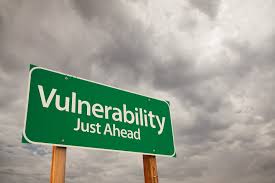
The world breaks everyone, and afterward, many are strong at the broken places. – Ernest Hemingway,
As one of our most popular and most consequential presidents, Abraham Lincoln led the United States through one of the darkest times in American History. The Civil War weighed heavily upon Lincoln as he carried the burden of preserving the Union and ending slavery.
Lincoln struggled deeply with depression. Friends described seasons where he could barely function. He openly wept. After the death of his son Willie in 1862, he was shattered. Witnesses said he sobbed uncontrollably and would visit the crypt alone.
Unlike many leaders who hide their brokenness, Lincoln didn’t pretend invincibility. He spoke openly about his sadness, told stories that revealed his inner turmoil, and led with humility rather than bravado. In one letter, he confessed, “I am now the most miserable man living.”
Craig Groeschel said, “ You can’t heal from a wound you ignore. It may feel hard, but don’t be afraid to be transparent and vulnerable. Asking for help isn’t a sign of weakness. It’s a sign of wisdom.” And this is the challenge we find ourselves in at our broken places.
Research published on Calm.com (https://tinyurl.com/4cnmbbzf ) offers telling insights into the state of mind of American executives. Here are some key findings:
- While nearly nine in 10 executives (87%) report their mental/emotional health as “good” or better, almost half (48%) acknowledge feeling overwhelmed, and about a quarter (24%) report leadership stress showing up as anxiety or depression.
- 50% say they have considered stepping down from their leadership role, while two-in-three have considered a career change and taking a sabbatical.
- Only one in four reports their “mental battery” is fully charged.
- 42% say they actively shield their teams from their stresses.
- Executives identify two unique leadership pressures as the predominant stress drivers: responsibility for others’ livelihoods (63%) and a sense of having “no off switch” (54%).
While many leaders actively shield their teams from their stresses, what else could they be shielding? The broken places will never heal so long as they remain cloaked in a false sense of bravery and duty to the detriment of one’s own mental health and well-being.
Circling back to Lincoln, here are a few observations that you might find useful as you consider your own broken places in your leadership.
His emotional honesty deepened his moral clarity
Coming to terms with the struggles and challenges you face in your leadership is not a sign of weakness, but, as Craig Groeschel said, a sign of wisdom. Being vulnerable and honest opens the door for a new level of your leadership to emerge.
For Lincoln, moral clarity was heightened not in covering up his struggles but by embracing them. Moral clarity was forged in heartache and tears. This type of vulnerability doesn’t diminish your leadership; it solidifies it.
Think about your broken places. In what ways are you allowing those vulnerable places to forge the leader in you and give you a greater sense of moral clarity?
His vulnerability did not weaken his authority- it strengthened it
Many leaders make the mistake of believing that their vulnerability will cause them to lose credibility and standing among their peers or team. They simply do not see how the risk could be worth it.
For Lincoln, who endured unimaginable responsibilities of national importance alongside great personal loss, it was his pathway to his own healing and that of the nation. Neither came easily, and both with great cost. But his leadership authority was defined by both.
Here is what I know: leaders today are overwhelmed and stressed like never before. Many are suffering in silence, smiling as they go about their days. Some are ready to throw in the towel and call it quits.
Here is my message to you: You are not alone. It’s OKAY to not be OKAY. Your broken places are stepping stones to take your leadership to the next level. And, it’s OKAY to ask for help. We are not meant to do this alone. We are stronger together.
©2026 Doug Dickerson