Battles are won in the hearts of men. – Vince Lombardi
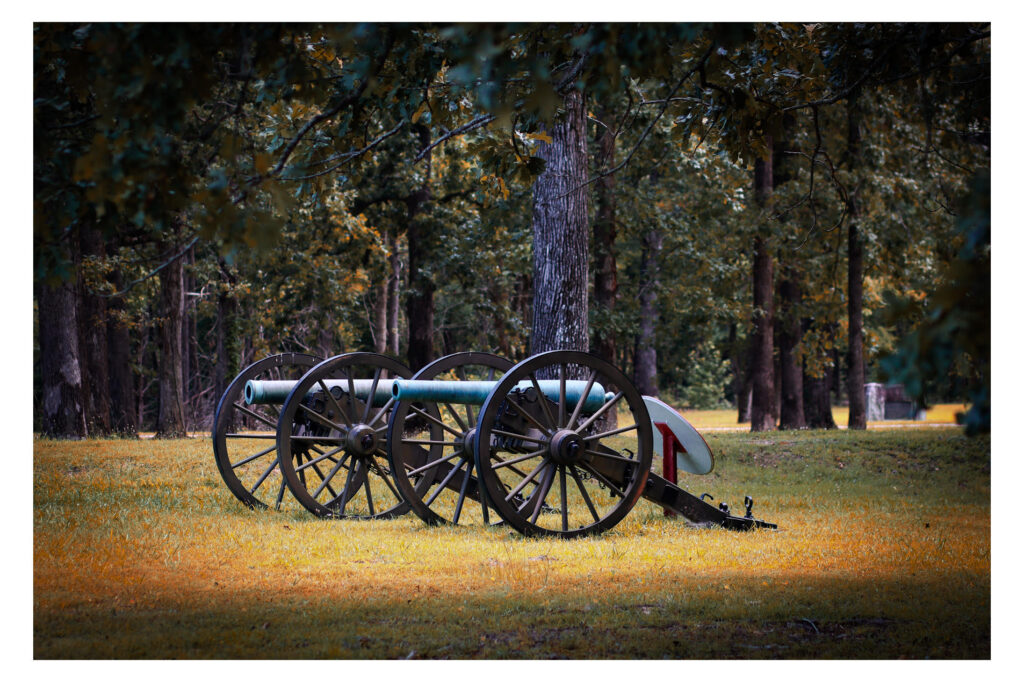
I was back in my home state of Tennessee recently and spent an afternoon at Shiloh National Military Park. I have been there numerous times, but it has been many years since my last visit. As a history buff, I found it fun to be back and walk the grounds of this significant Civil War battle.
The Battle of Shiloh took place on April 6-7, 1862, and, due to the high casualties, it is considered a turning point in the war. Among the most significant losses in the war was that of Confederate General Albert Johnston, who died from a gunshot wound to the knee. During the battle, nearly twenty-four thousand soldiers from both sides lost their lives.
The South’s defeat at Shiloh ended the Confederacy’s hopes of blocking the Union advance into Mississippi and ended the Confederates military initiative in the West. With the death of General Johnston, morale plummeted.
The Battle of Shiloh demonstrated courage, decision-making, communication, resilience, and the cost of leadership failures. That hot afternoon reminded me of a few leadership lessons worth sharing.
Never mistake quiet for safety
The Union army camped around Pittsburg Landing, believing Confederate forces were too far away to attack. They relaxed their vigilance and were caught completely by surprise.
Leadership Lesson: Success can create complacency. Good leaders never confuse a lack of current problems with the absence of future threats. Good leaders will ask, “What are we missing?”, stay prepared, and continually evaluate risks.
Leadership isn’t built during a crisis; it is revealed
The Confederate attack initially overwhelmed the Union forces because many Union camps weren’t prepared for an assault.
Your advantage as a leader lies in your preparation before pressure arrives. So as a leader, you need to ask yourself: Am I preparing my team for problems before they occur? Are we practicing difficult conversations before we need them? Once the pressure comes, you will either be prepared or you will face certain setbacks.
One decision can change everything
General Johnston was considered the Confederacy’s finest general. He suffered a gunshot wound behind his right knee and bled out and died.
His death dramatically altered the Confederates’ momentum and was a turning point in the war.
His death is a reminder that in leadership organizations are often only one decision- or one leader- away from a completely different outcome. This is a reminder of the importance of developing leaders and why leadership development at all levels in your organization is not optional. Neither is succession planning. Are you raising up and training leaders, or are you just hoping for the best? Remember, you are only one decision away from an event that can change everything.
Communication wins or loses momentum
In the 164 years since the Battle of Shiloh, modern communication has advanced dramatically, yet many still struggle with poor communication.
At Shiloh, commanders struggled with delayed reports, confusion, and incomplete information. Without modern communication equipment, many leaders fought almost blindly.
The issue here isn’t about having more information. It is about making sure the right information reaches the right people at the right time.
A good leader recognizes the value and importance of communication and how it drives momentum.
“The single biggest problem in communication,” said George Bernard Shaw, “is the illusion that it has taken place”. A good leader knows this and prioritizes strong communication skills to advance momentum.
Leadership lessons are all around us, and the Battle of Shiloh reminds us of what can happen when we lose sight of the basics.
©2026 Doug Dickerson